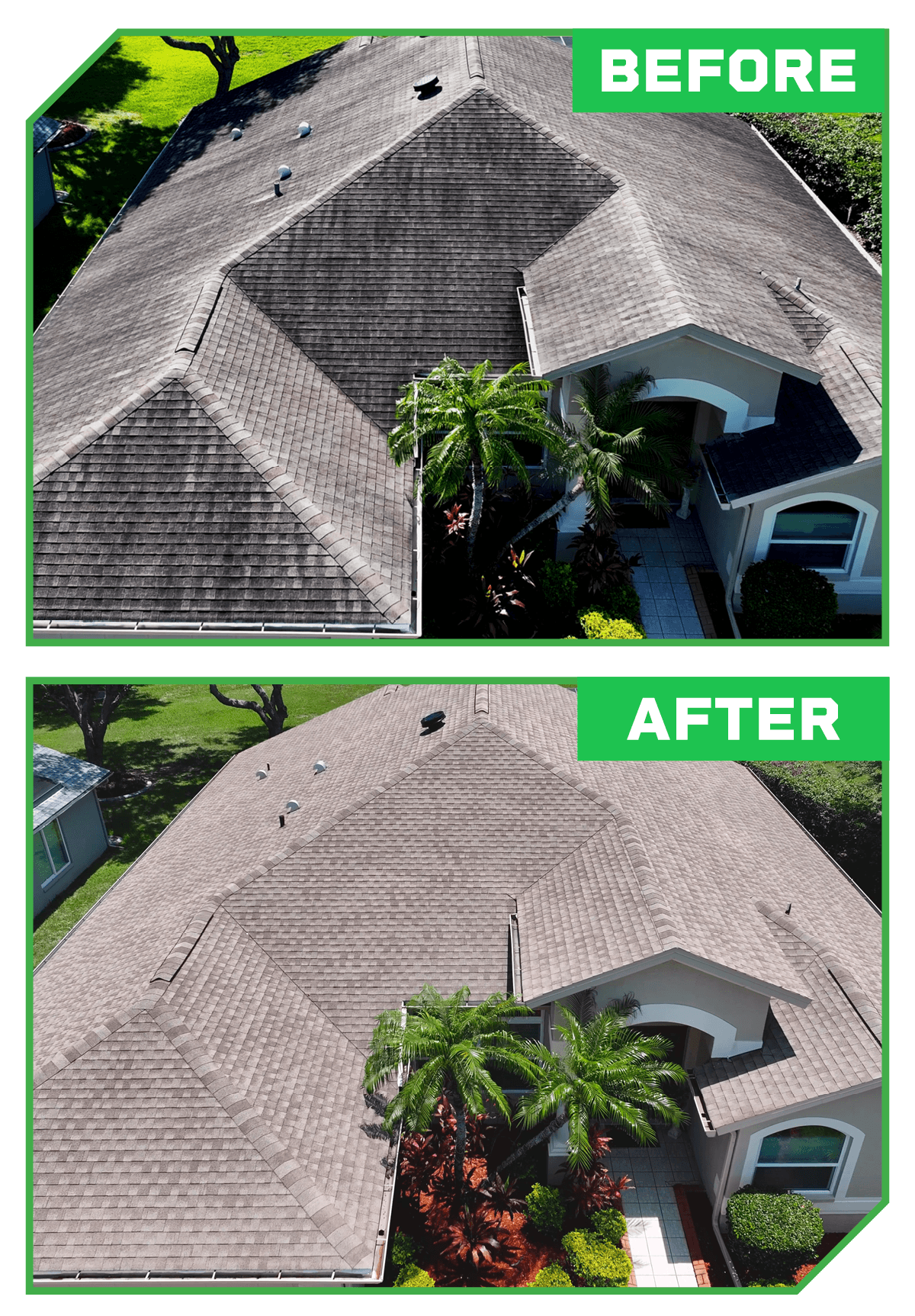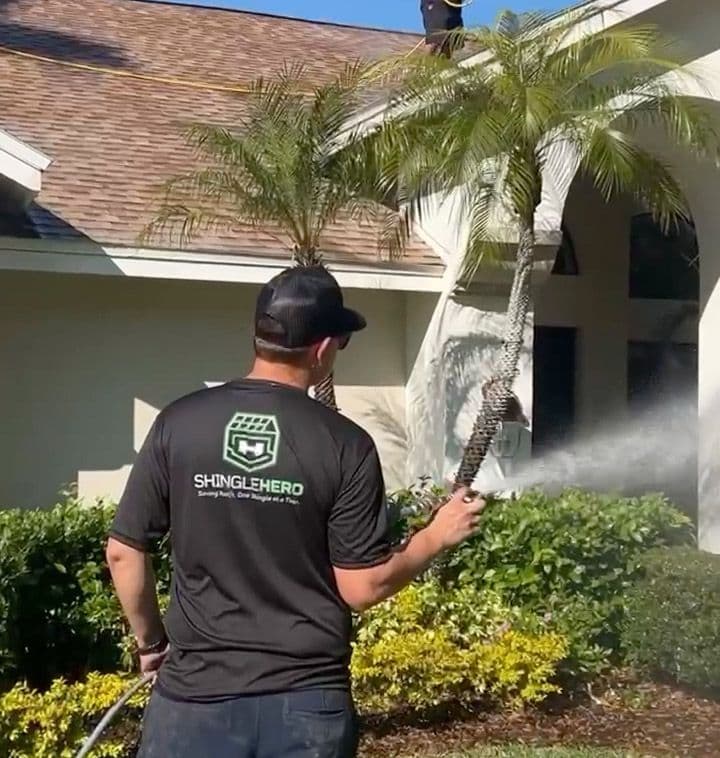
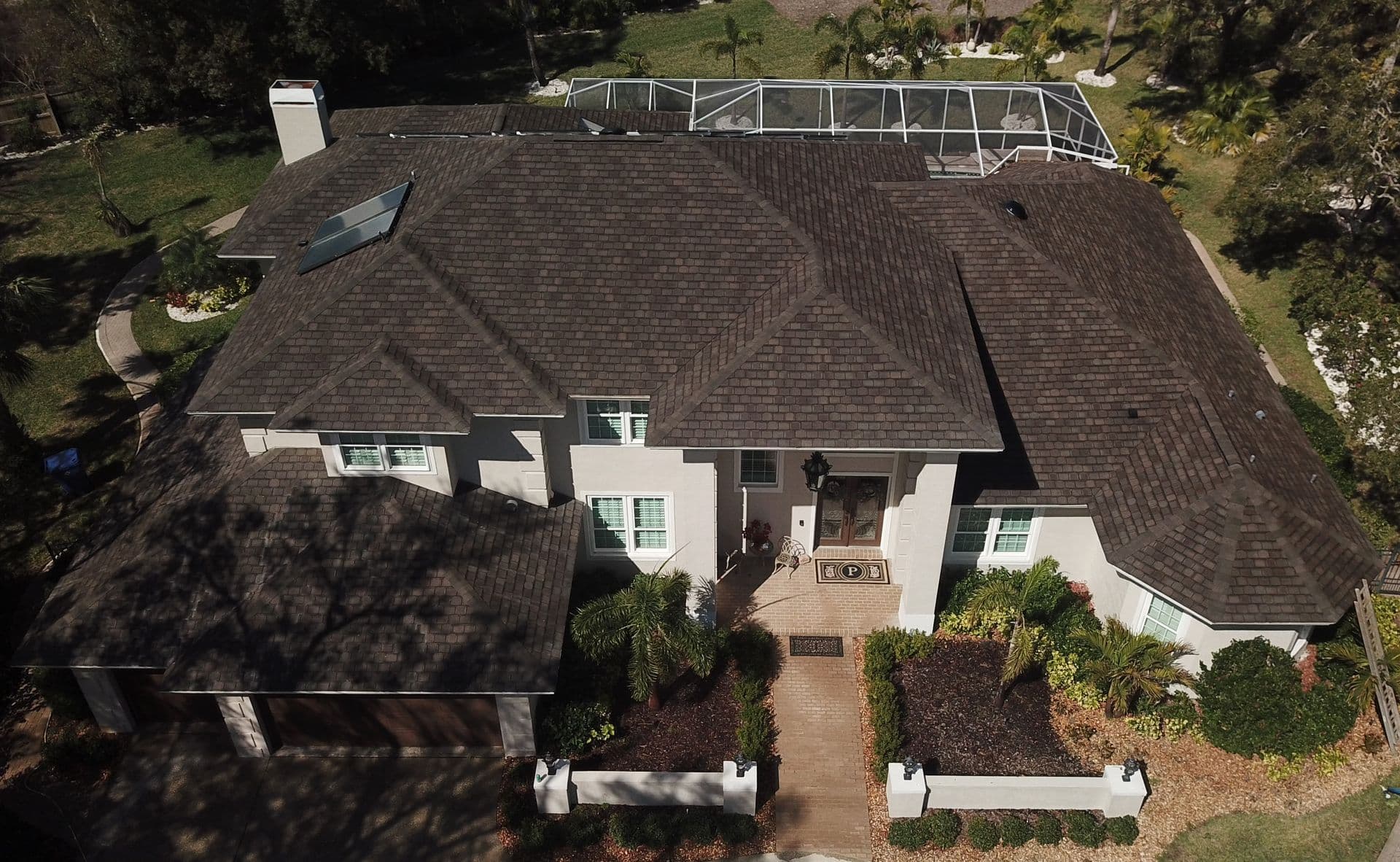
Short answer: a single Shingle Hero rejuvenation adds 5 to 15 years of life to an asphalt shingle roof. Most Florida homeowners land between year 8 and year 12. But the range isn’t arbitrary — it’s driven by a few variables worth understanding.
The 5–15 year range, explained
When we say "5–15 years," that’s the measured field performance of our 95% plant-based, soy-derived formula on asphalt shingles ranging from 6 to 20 years old. Newer roofs in better condition sit at the top of that range. Older roofs that were teetering on the edge of replacement get meaningful extra life — just not quite as much.
- Roofs 6–10 years old: typically 12–15 years of added life
- Roofs 11–15 years old: typically 8–12 years of added life
- Roofs 16–20 years old: typically 5–8 years of added life
- Roofs past 20 years or with severe granule loss: usually not a candidate
What drives those numbers
Shingle Hero works by penetrating the asphalt layer and replenishing the petroleum-based oils that keep shingles flexible and waterproof. Sun, heat, and humidity strip those oils out over time. The older and drier a shingle gets, the less material our formula has to work with.
- 1Roof age at time of treatment — biggest driver
- 2Starting condition (granule loss, cracking, curling)
- 3Climate exposure — intense UV and humidity accelerate wear
- 4Color of shingles (darker roofs run hotter and age faster)
- 5Tree cover, prevailing wind, and storm exposure
- 6Whether the roof is professionally re-treated at year 5
Can you stretch it to 15+ years?
Yes — with a re-treatment at around year 5. A single application is designed to perform for 5–15 years. A second application at the midpoint refreshes the protective oil layer and compounds the benefit. Many homeowners who plan re-treatments stay in a still-functioning asphalt roof for 20+ years total.
Signs your rejuvenated roof is still going strong
- Shingles remain pliable and flexible under thermal movement
- No significant algae or mold regrowth
- Granules staying bonded to the mat
- No new curling, cracking, or visible drying out
When should you consider re-treatment?
We schedule a follow-up inspection at year 5 for every homeowner. If the roof is still in strong shape, we may push re-treatment to year 6 or 7. If conditions have degraded, we recommend earlier. Either way, the inspection is free.
Most Florida roofs qualify for rejuvenation in just 15 minutes. We’ll tell you straight — even if the answer is "not a candidate."